
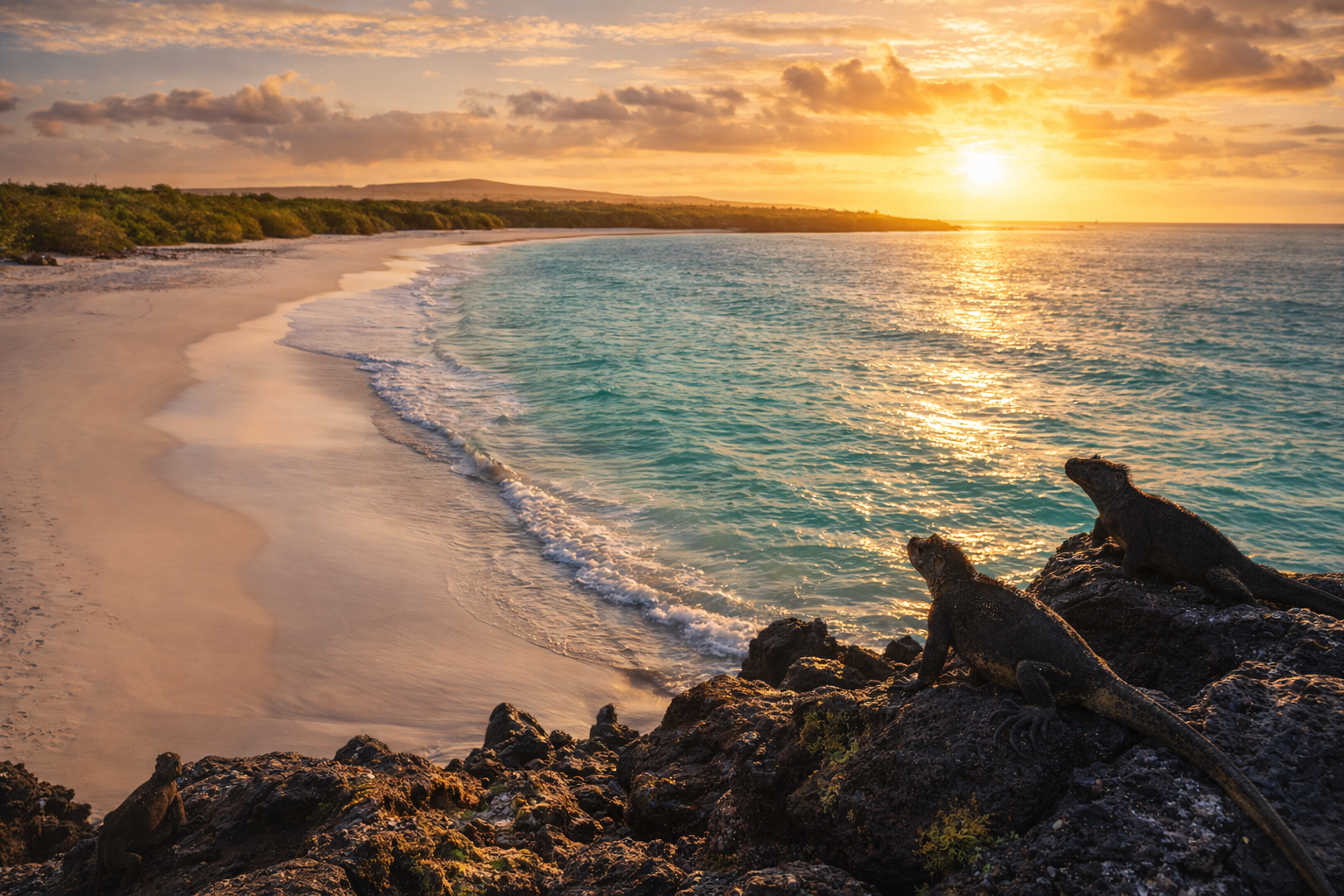
Planning a trip to the Galápagos Islands is very different from booking a regular island holiday. The Galápagos is one of the world’s most protected natural destinations, and that means stricter travel rules, higher costs, and more planning before you go. At the same time, it delivers something few places can match: close wildlife encounters, volcanic scenery, and a travel experience that still feels wild and unspoiled.
If you are heading to the Galápagos for the first time, this guide covers the essential things to know before you go, what to expect once you arrive, and a realistic 3-day itinerary that helps you make the most of a short stay.
Why the Galápagos Requires More Planning Than Most Island Trips
The Galápagos Islands sit about 1,000 kilometres off the coast of Ecuador. Because the islands are ecologically sensitive, tourism is controlled more carefully than in many other destinations. That affects almost every part of your trip, from flights and fees to accommodation, island transfers, and day tours.
This is not the kind of place where you should arrive with no plan and hope everything works itself out. Limited seats on tours, strict park regulations, and reduced transport options mean that some preparation makes a major difference. The better you plan, the smoother and more rewarding the trip becomes.
Things to Know Before Going to the Galápagos
1. You Need to Budget for Extra Entry Costs
One of the first surprises for many travellers is that the trip includes costs beyond your flight and hotel. Before boarding for the Galápagos, travellers usually need to pay for a Transit Control Card, and on arrival there is also a Galápagos National Park entry fee.
These fees are part of the islands’ conservation system. They help control tourism and support environmental protection. It is smart to carry cash in US dollars for these payments and other local expenses.
2. Flights Usually Connect Through Mainland Ecuador
Most visitors fly to the Galápagos from Quito or Guayaquil. You do not usually fly directly from abroad to the islands. That means your route needs to include Ecuador mainland logistics, and in some cases, an overnight stay may make the schedule easier.
When planning your flights, leave enough room for airport procedures and baggage checks. Travel to the Galápagos is more controlled than a standard domestic connection.
3. The Galápagos Is Expensive, but Not Impossible on a Moderate Budget
The Galápagos has a reputation for being expensive, and that reputation is fair. Because goods must be transported from the mainland and tourism is tightly regulated, prices are higher than many travellers expect.
Still, it is possible to manage costs with the right choices. Staying in guesthouses instead of luxury eco-lodges, eating in local restaurants, and choosing day tours rather than a multi-day cruise can make a big difference. A shorter land-based itinerary is often the most practical option for travellers who want the experience without the cost of a liveaboard trip.
4. Wildlife Rules Are Strict for a Reason
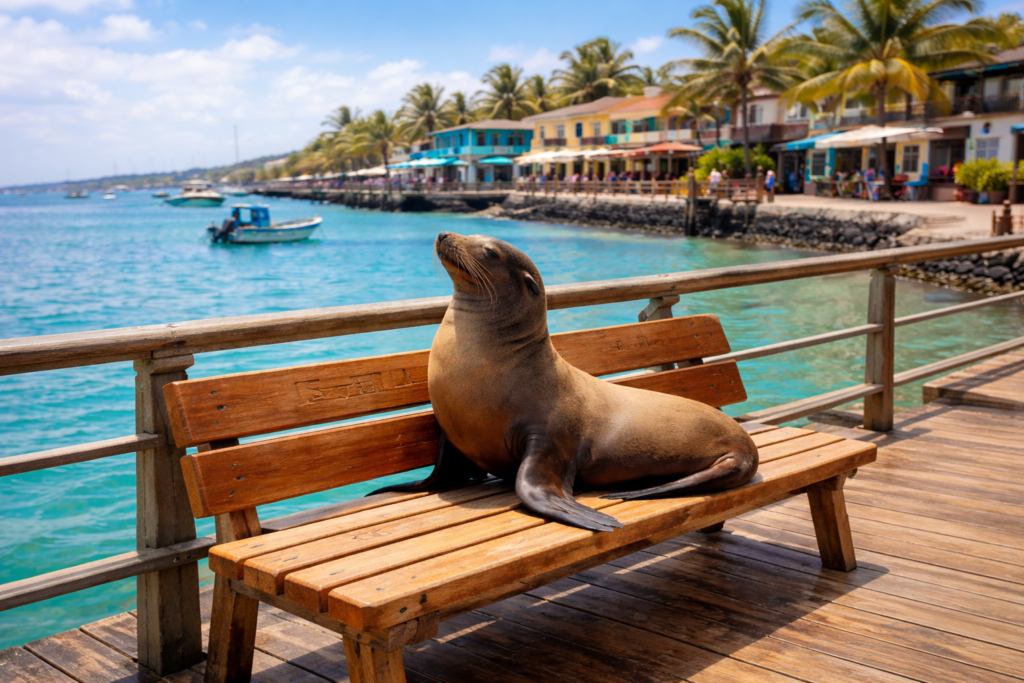
The Galápagos is famous because wildlife here behaves differently. Sea lions nap on benches, marine iguanas stretch out on paths, and birds often seem completely unbothered by people. That does not mean you should get too close.
Visitors are expected to keep a respectful distance, avoid touching animals, and stay on marked routes. The best Galápagos trips are the ones where people remember that they are guests in a fragile environment.
5. Internet and Convenience Are Limited
If you are used to fast internet, constant connection, and easy transport apps, reset your expectations before you arrive. Wi-Fi can be slow, card payments are not always reliable, and ATMs are limited in some areas.
Bring cash, download maps in advance, and do not count on working online as usual. In many ways, that limited connection becomes part of the appeal.
6. Choosing the Right Season Matters
The Galápagos is a year-round destination, but conditions change throughout the year. December to May is usually warmer, greener, and calmer, which many travellers prefer for swimming and snorkeling. June to November is cooler and often better for travellers who want to focus on active marine life and wildlife observation.
There is no single perfect month for everyone. The best time to visit depends on whether you care more about sea conditions, underwater visibility, or wildlife activity.
3-Day Galápagos Itinerary for First-Time Visitors
If you only have a few days, the smartest approach is to base yourself on one island and combine easy local experiences with one strong wildlife day tour. For first-time visitors, Santa Cruz is usually the most practical choice because it has good infrastructure, day tour access, and enough variety for a short stay.
Day 1: Arrival and Santa Cruz Highlights
Most travellers arrive via Baltra Island and continue to Santa Cruz. Once you reach Puerto Ayora, take it easy on the first day and focus on nearby highlights.
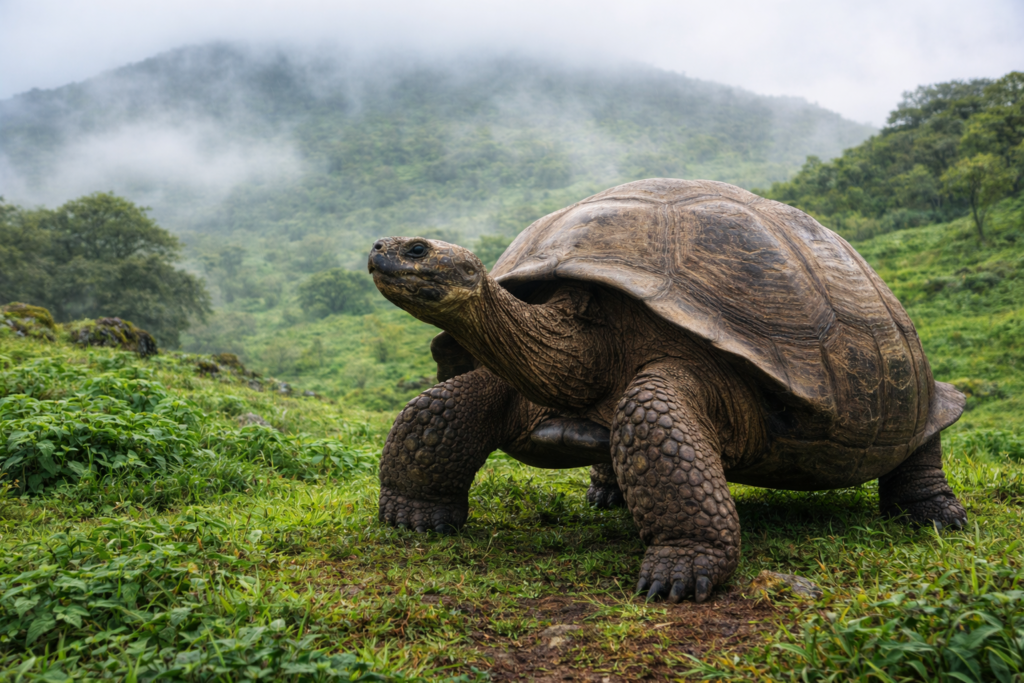
Start with the Charles Darwin Research Station, where you can learn more about conservation work on the islands and see giant tortoises. After that, spend time walking around Puerto Ayora. The town gives you a practical introduction to everyday life in the Galápagos, with tour offices, waterfront views, and a good choice of restaurants.
If time allows, head into the highlands to visit a tortoise reserve. Seeing giant tortoises in a more natural setting is one of the classic Galápagos experiences, and it is a strong way to begin the trip.
Suggested pace for Day 1: Keep this day light. The journey itself takes time, and a slower first day helps you settle in without rushing.
Day 2: Full-Day Island Tour and Snorkeling
Your second day should be the most active. This is the day to book a guided excursion to another island or visitor site. Depending on availability and your interests, popular options include Santa Fe, Bartolomé, and North Seymour.
Santa Fe is a good choice for sea lions and clear water. Bartolomé stands out for dramatic volcanic landscapes and one of the most photographed views in the Galápagos. North Seymour is excellent for birdlife, including blue-footed boobies and frigatebirds.
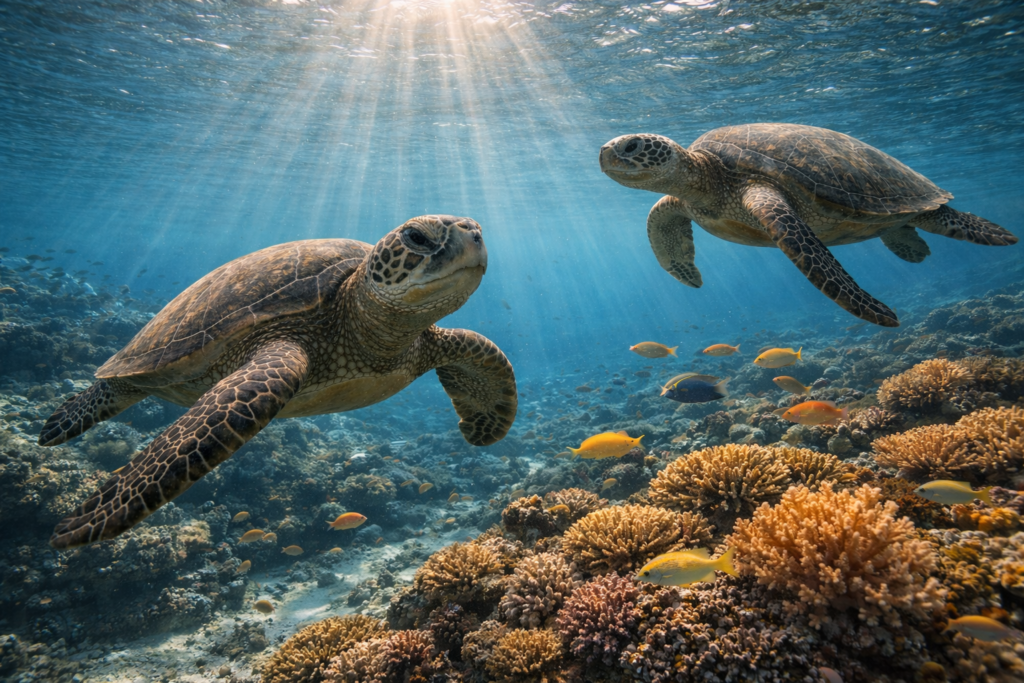
Many day tours also include snorkeling, which is one of the highlights of any Galápagos trip. You may spot sea turtles, rays, reef fish, and in some cases playful sea lions in the water. Book this day early, especially if you are travelling in a busy season, because the best tour spots can sell out.
Day 3: Tortuga Bay and a Slower Final Day
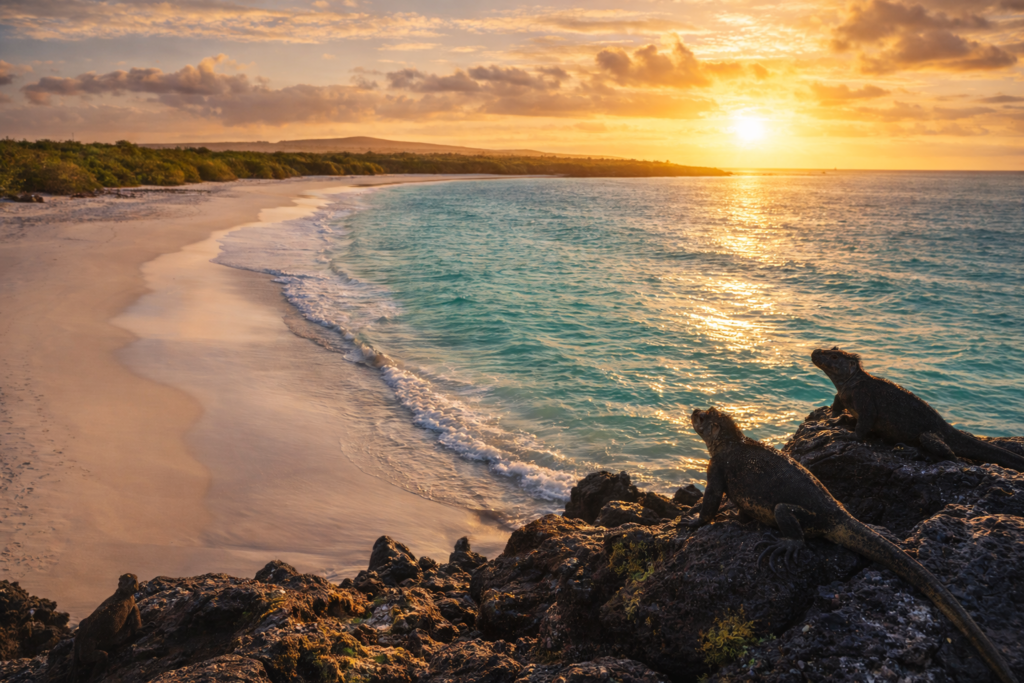
After a full island tour, your third day works best as a slower finish. Head to Tortuga Bay, one of the best-known beaches in the Galápagos. The walk there is part of the experience, and once you arrive, you get white sand, turquoise water, and frequent sightings of marine iguanas and birds.
If you still want some activity, kayaking or paddleboarding can be a good addition depending on conditions. Another strong option is Las Grietas, a dramatic natural channel between lava rock formations where the water is clear and inviting.
This final day gives you time to absorb the setting instead of racing through more logistics. That is especially valuable on a short trip, where balance matters just as much as sightseeing.
Practical Travel Tips for the Galápagos
- Carry enough cash in US dollars for fees, meals, and smaller purchases.
- Book your main day tour in advance if travelling in a busy period.
- Use reef-safe sunscreen and avoid damaging marine ecosystems.
- Pack light clothing, swimwear, walking shoes, and a light waterproof layer.
- Do not expect fast internet or full travel convenience at every step.
- Respect wildlife distances and follow local conservation rules at all times.
Is 3 Days in the Galápagos Enough?
Three days is not enough to see everything, but it is enough to have a meaningful first experience. With the right base, a well-chosen day tour, and realistic expectations, you can leave with a strong sense of what makes the Galápagos special.
If you have more time, adding extra days will always improve the trip. But for travellers fitting the islands into a broader Ecuador journey, a 3-day Galápagos itinerary can still be highly rewarding.
Final Thoughts on Galápagos Trip Planning
The Galápagos rewards travellers who prepare well. It is not a destination built around convenience, and that is part of its value. The landscapes feel raw, the wildlife encounters feel genuine, and the pace encourages you to pay attention.
If you are going to the Galápagos, go with a clear plan, respect the environment, and leave room for the unexpected moments that make the islands unforgettable.

